How to Grow an Underwater Herb Garden in Your Aquarium
This website contains affiliate links. As an Amazon affiliate, I earn from qualifying purchases.
If you’ve ever thought a betta fish tank could be used for planting herbs, you were absolutely right.
Replacing a fish tank with a small home aquaponics garden for herbs inside it offers one of the most seductive (and surprisingly low-maintenance) ways of growing basil indoors.
Or for that matter any other herb plant which likes continuous sogginess underfoot but tolerates drought on top at times. It’s sustainable, saves space, adds a peaceful living dimension to your home.
So in this guide, we’ll walk you through how to coax an ordinary aquarium into a rich green herb garden that fits right in with your fish.
How Do Aquarium Herbs Work?

An aquaponics system uses the relationship between fish and plants to maintain balance. Fish like goldfish, guppies, or bettas produce waste that breaks down into ammonia.
Beneficial bacteria in the aquarium convert this ammonia into nitrate, an excellent nutrient source for herbs.
In return, the plant roots absorb these nitrates, naturally filtering the tank’s water. You don’t need chemical fertilizer; your fish provide it continuously. As the water cycles through the grow media, it reaches the herbs’ roots, supplying both moisture and nutrients.
Because the water change happens gradually, your fish remain comfortable and your herbs grow fast. It’s nature’s version of teamwork, where basil, mint, and oregano flourish while keeping the aquarium’s water clean.
Which Herbs Grow Well in an Aquarium?
The best herbs for aquaponics are those that can adapt to slightly damp conditions and grow quickly. Kitchen herbs like basil, mint, oregano, parsley, cilantro, and chive all thrive beautifully. They enjoy the consistent moisture and benefit from the constant supply of nutrients.
Dry conditions are preferred by some herbs, so they’re not an ideal for this setup, rosemary does better in traditional soil, for example. However, growing rosemary can still work if its roots stay above the water level with good airflow.
For variety, you can even try lemongrass and green onions. Steady humidity is what most indoor herbs like, and an aquarium provides it. To get the best results in aquaponics nerd ex Mote talent and electrally grow herbs light high light-or use fluorescent lights.
What Kind of Aquarium Setup Do You Need?
Heaters not only warm the aquarium water, but also help to regulate the temperature. An old aquarium works perfectly, especially if you already have a functioning filter or lighting system.
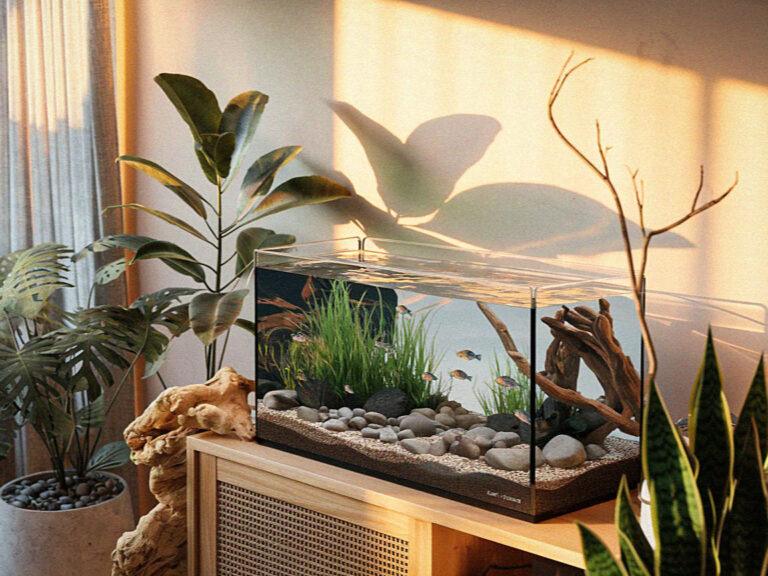
Whether you live in a sunny or less bright house, keep the tank six inches away from the window.
Place it near a bright window with several hours of sun daily or supplement with fluorescent or LED grow lights if you live in a darker space. Avoid placing it near vents or heat sources to maintain a stable temperature and water quality.
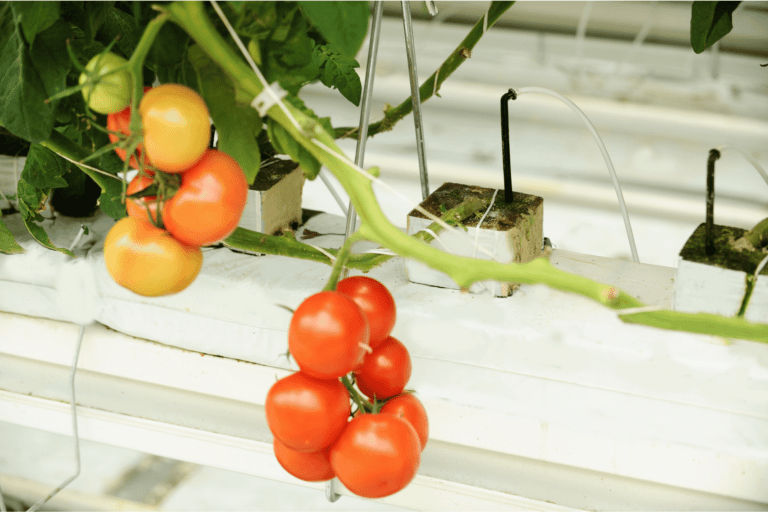
If you’re starting from scratch, a simple aquaponics setup can include a basic filter (an Aquaclear is a popular choice), a small sump for water circulation, and plant holders above the tank to hold your herbs.
How to Set Up a DIY Aquaponics Herb Garden
It’s a lot easier to setup your garden than you might think. First, get the water in your fish tank clean and cycled. Add the fish- goldfish, guppies, or bettas all will work well, and let the system stabilize.
Then, prepare your grow media. You can use lightweight pebble substrates, clay pellets, or even sphagum moss to hold plant roots in place.
Place herbs like basil and mint in small net cups or plant holders so their roots can slightly submerge in the tank water without drowning the stems.
Use a gentle siphon or pump to move water from the aquarium into the grow bed, allowing it to trickle back down.
This creates a continuous nutrient flow that keeps both fish and plants happy. A few weeks in, you’ll notice healthy plant growth-and a noticeable improvement in water clarity.
What Are the Right Growing Conditions for Aquarium Herbs?
Each herb has its own best growing conditions, but most take a lot of experiments. Provide plants with moderate levels of water; enough to allow roots to access moisture, but not so much that it leads to full submersion. This prevents seeds from dying off due to over-saturation.
One method to keep aquarium water clean is to frequently check nitrate and ammonia levels. These things will play a major role in determining how long your fish live, so it’s a good idea not to neglect them.
Once reached, temperature will have a signifigant impact on plant growth. Most of our herbs would do well with slightly warm water and a neutral PH value for growing conditions, that is to say when the organics in your tank don’t produce either acid or alkali.
If you find that your plants grow sluggish, simply adjust the lighting or nutrient concentrations in your aquaponics setup.
Fluorescent or LED grow lights over the herbs, 6 to 8 inches from the top, are good. Light for 10 to 12 hours a day to simulate natural sunlight. Under constant illumination, plants will flourish.
Can You Combine Moss and Herbs in the Same Aquarium?
Definitely. It is like imagining a small wildwood that is quite touchingly beautiful.
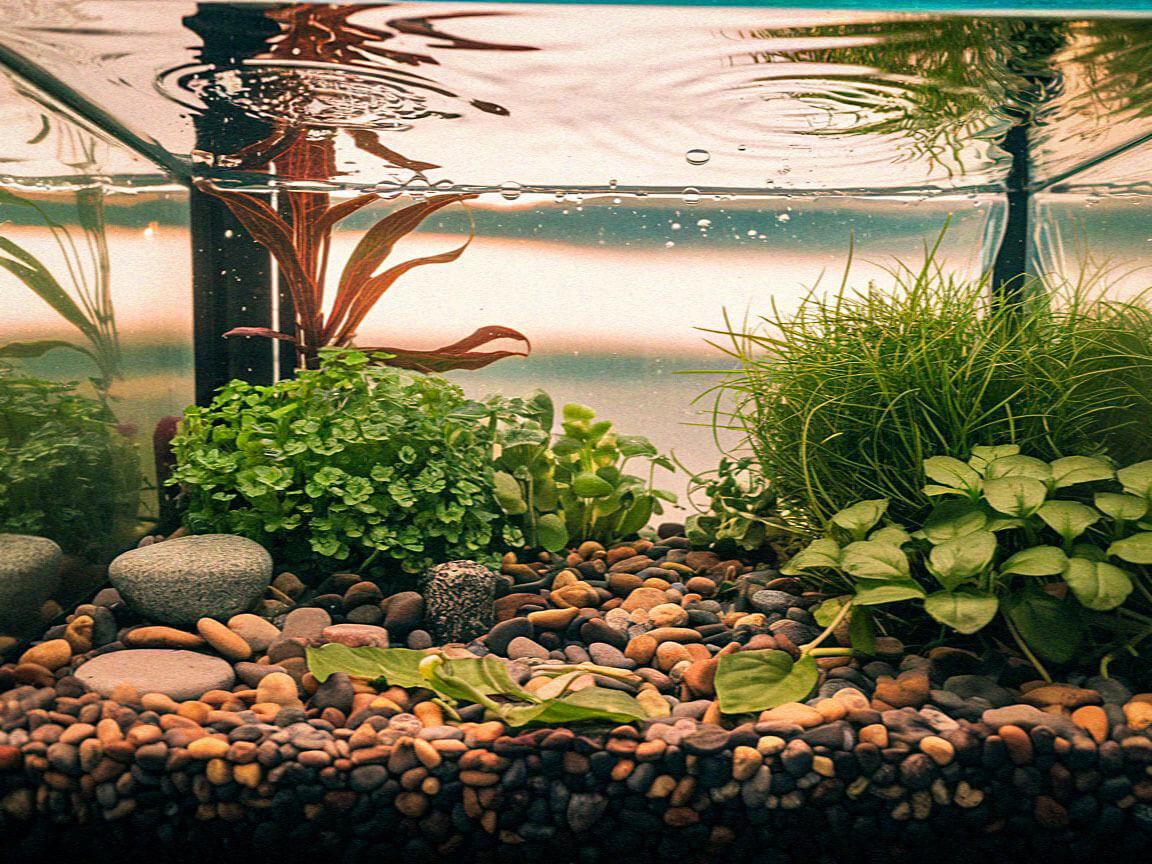
Java moss or sphagnum moss, for example, is often put around the bases of plant holders as well or it can serve as an attractive addition inside your aquarium itself. For herbs it provides some humidity and also gives a natural, forest-like feel.
But take care about the quality of your water. Too much moss will catch a lot debris, which may cause imbalances or even excess nitrate. A bit of moss goes a long way, especially in small-scale aquaponics systems.
How Often Should You Perform a Water Change?
Because aquaponics generates a balance on its own, it’s unusual for water changes like observed in standard fish tanks. Instead, test the water regularly to ensure that your nitrate levels for herbs remain within the correct range.
Because of the technology the aquarium uses, you can never expect it to purify water as effectively as nature might have done in a river or lake.
And you can’t just dump a bunch of chemicals in to do what needs doing instead, without finding out how these will affect your fish either, by the way. In other words, you need frequent partial water changes to keep up a healthy freshwater ecosystem.
Take out about 10 – 20% of the old water in your tank every few weeks. Put back fresh dechlorinated water that has gone through a sediment filter cartridge if you have one or just water conditioner to remove the chlorine and chloramine otherwise.
This helps maintain a stable nutrient cycle, but note that this much water out all at once could disturb most aquatic species.
What’s more, if you didn’t do it slowly enough, the temperature of the new water will jump up rapidly too, possibly has bad results for some animals, although not others. Supply enough for everyone.
Take good care of your fish. Anything the fish don’t eat will fall to the bottom of the tank, rot and deteriorate there. This will be converted by bacteria into food for algae. The only way to control this is never to have any food not eaten in your system.
Keep in mind, your herbs are healthy filters. As they mature, they’ll do quite a lot of housekeeping for you.
Is it Possible to Grow Land Plants of Different Species In an Aquarium?
Although I’ve enjoyed growing herbs this way quite successfully, it’s also fun to try different experiments with all types of land plants in the aquariums.
For example, certain species adapt surprisingly well when their roots touch water but the rest of the plant remains in air. Pothos and lettuce are both good examples, do this easily and without trouble.
In fish tank setups especially, Pothos grows very well as it absorbs nitrates effectively. To create a rich waiting gradient in your own aquariums, you can combine these with your herbs. Just keep their roots a little apart from one another so that competition between nutrients is reduced.
If you ever wondered whether land plants could live with your kitchen herbs- the answer is yes. With the proper balance of water and light.
What Are Some Problems That Are Frequently Encountered?
No matter how perfectly it’s balanced, aquaponic systems still have problems. The major issues include pests, uneven nutrient levels, and poor lighting, all easy to handle luckilly.
Yellow leaves could indicate your nutrient flow is off, or the water level too low. Increase circulation with your pump or adjust your siphon output. If your leaves are turning anemic, consider adding a few more hours of light.
Aquatic pests are rare but do occur in gardens containing aquariums. If you see any signs of them, snip off the affected leaves as soon as possible and wash them gently in clean water. Do not use chemical sprays, as these can be harmful to your fish.
To avoid ammonia spikes, keep an eye on your water quality levels and the fish’s food intake. Installing a proper filtration system whilst implementing a regular regimen for feeding will keep both your plant’s growth and the purity of H20 consistent over time.
What are the Benefits of Growing Herbs in an Aquarium?
In addition to its lovely appearance, an aquaponic herb garden has many advantages. It’s sustainable, requiring no synthetic fertilizer or pesticides, and saves water.
This system is perfect for apartments or small homes, because it combines a beautiful fish tank with practical herb growing.
When you harvest the herbs, is it basil for pasta, cilantro in your salad, or mint by the teapotful, they are fresher than anything that’s been in a grocery store. And watching your goldfish swim among the fronds of green parsley or oregano adds a simple joy to daily life.
It’s a form of gardening that feels alive, not just for what you are able to grow, but with every part working so well together.
This website contains affiliate links. As an Amazon affiliate, I earn from qualifying purchases.